
Short answer: Small business funding options include term loans, lines of credit, equipment financing, invoice factoring, merchant cash advances, and SBA loans. Each suits different needs—like working capital, equipment purchases, or covering gaps—so compare costs, terms, and repayment structures before choosing.
Key takeaways
- Term loans give a lump sum for big purchases or expansion.
- Lines of credit offer flexible access to funds when you need them.
- Equipment financing lets you spread the cost of machinery or vehicles.
- Invoice factoring turns unpaid invoices into immediate cash.
- SBA loans often have low rates but stricter qualification requirements.
- Always compare total cost, not just the interest rate.
What you will find here
- What Are the Main Small Business Funding Options?
- How to Evaluate a Funding Option: The Key Criteria
- Term Loans vs. Lines of Credit: Which Fits Your Need?
- Equipment Financing and Invoice Factoring: Asset-Based Options
- How Do SBA Loans Compare?
- Beware These Common Traps When Choosing Funding
- A Step-by-Step Checklist to Compare Offers
- Final Thoughts: Pick the Funding That Matches Your Cash Flow
When your business needs cash, you have more options than ever. But that’s also the problem. How do you pick the right one without wasting time or overpaying? This checklist will walk you through the main small business funding options—what they are, who they’re for, and what to watch for. By the end, you’ll have a clear idea of which path fits your situation.
What Are the Main Small Business Funding Options?
Small business funding generally falls into two buckets: debt and equity. Debt means you borrow money and pay it back with interest. Equity means you sell a piece of your business to an investor. Most owners start with debt because they keep full control. Within debt, you’ll find term loans, lines of credit, equipment financing, invoice factoring, and merchant cash advances. Each works differently.
Term loans give you a lump sum upfront, repaid over a set period. Lines of credit work like a credit card—you draw what you need, pay interest only on what you use. Equipment financing is tied to a specific asset, like a delivery van or a commercial oven. Invoice factoring sells your unpaid invoices to a third party at a discount. Merchant cash advances provide a lump sum in exchange for a percentage of future credit card sales.
Equity funding, like angel investors or venture capital, is another route. But it’s not right for every business. You’ll give up ownership and often a say in how you run things. For most small businesses, the debt options above are more practical.
How to Evaluate a Funding Option: The Key Criteria

Before you compare specific products, decide what matters most to you. That will narrow your choices quickly.
- Cost: Look at the total cost of borrowing—not just the interest rate. Add origination fees, closing costs, and any prepayment penalties.
- Repayment terms: How long will you have to pay it back? Monthly payments that stretch too long can become a burden.
- Speed: Some funders give you money in days; others take weeks. If you need cash fast, that matters.
- Collateral requirements: Do you need to pledge assets? Personal guarantees are common for small business loans.
- Flexibility: Can you draw funds as needed, or is it a one-time lump sum?
Create a simple table to compare offers side by side. Column one lists the cost, column two the term, column three the speed, and so on. That makes the trade-offs obvious.
Term Loans vs. Lines of Credit: Which Fits Your Need?
Term loans and lines of credit are the two most common funding options. They serve different purposes.
Term Loans: Best for One-Time Purchases
A term loan gives you a fixed amount of money, repaid over a fixed schedule—usually monthly. It’s ideal for buying equipment, expanding your space, or making a major investment. Because the lender knows exactly when they’ll get their money back, rates can be lower than other options.
The catch? You get the whole amount at once. If you only need a little now and more later, you’re paying interest on money you’re not using.
Lines of Credit: Best for Ongoing Needs
A business line of credit gives you a maximum borrowing limit. You draw only what you need, pay interest on that amount, and as you repay, the credit becomes available again. It’s perfect for managing cash flow gaps, covering seasonal dips, or handling unexpected expenses.
Rates tend to be variable, which means your payments can change. And some lenders charge annual fees just to keep the line open.
If you’re still deciding between a personal loan and other options, you might find it helpful to review how to compare personal loan interest rates—the same principles apply to business products.
Equipment Financing and Invoice Factoring: Asset-Based Options
Sometimes your equipment or your outstanding invoices are the most valuable thing you own. Two funding options tap into those assets.
Equipment Financing: Let the Machine Pay for Itself
Equipment financing lets you borrow against the equipment you’re buying. The equipment itself serves as collateral. If you stop paying, the lender can repossess it. This keeps rates lower because the lender’s risk is reduced.
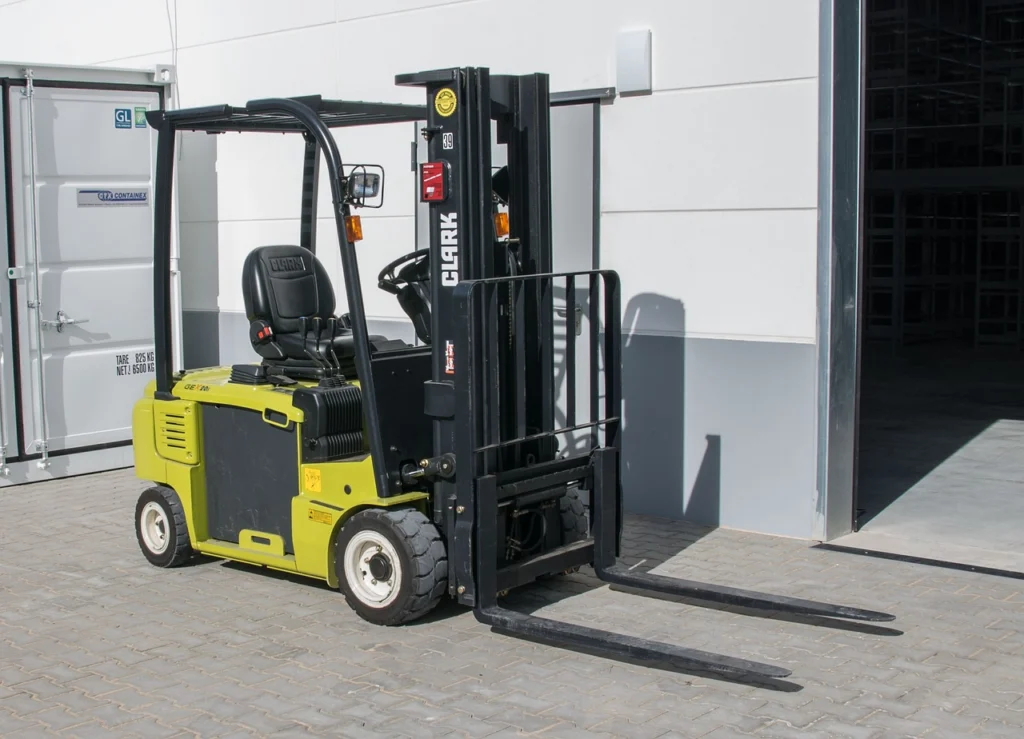
You can finance everything from a new forklift to a commercial freezer. The loan term often matches the useful life of the equipment—maybe five years for a vehicle, ten for a large machine. Just remember, the equipment may lose value faster than you pay it off, leaving you “underwater” if you try to sell it later.
Invoice Factoring: Turn Unpaid Invoices into Cash
Invoice factoring is popular with B2B businesses that wait 30, 60, or 90 days for clients to pay. You sell your unpaid invoices to a factoring company. They advance you a percentage—often 80-90%—and collect payment directly from your client. Once paid, they give you the rest minus a fee.
It’s fast and doesn’t add debt to your balance sheet. But it’s pricey. Fees can add up to significantly more than a traditional loan, especially if your clients are slow to pay.
How Do SBA Loans Compare?
If you’ve heard of SBA loans, you know they’re backed by the U.S. Small Business Administration. That government guarantee encourages banks to lend to small businesses that might not qualify otherwise.
The most popular type is the 7(a) loan, which can be used for working capital, equipment, or real estate. Rates are competitive, and terms can stretch up to 25 years for real estate. That makes monthly payments more manageable.
But SBA loans come with paperwork. You’ll need a solid business plan, detailed financials, and patience. The approval process can take weeks or even months. If you need money quickly, an SBA loan might not be your best first move.
Beware These Common Traps When Choosing Funding
Every funding option has a catch. Watch for these red flags before you sign anything.
- High origination fees: A seemingly low interest rate can hide a steep upfront fee that makes the loan expensive.
- Prepayment penalties: Some lenders charge you if you pay off the loan early. That’s a real cost if you plan to repay ahead of schedule.
- Variable rates without a cap: If rates rise, your payments can spike. Know the maximum possible rate.
- Personal guarantees: Most small business loans require a personal guarantee. That means you’re personally on the hook if the business fails.
- Short-term “payday” loans for businesses: Merchant cash advances and some online loans can carry effective annual rates that reach triple digits. Read the fine print.
If you’re already carrying personal debt, you might want to explore debt consolidation options to free up your credit before applying for a business loan.
A Step-by-Step Checklist to Compare Offers
Follow this process each time you evaluate a funding offer. It’ll keep you from missing the details that matter.
- List your needs: What will you use the money for? How much do you need? When do you need it?
- Check your credit scores: Both your personal and business scores will influence rates. Pull them before you apply.
- Identify two or three funding types: Based on your needs, narrow down to a couple of options—like a term loan vs. a line of credit.
- Gather quotes from at least three lenders: Don’t settle for the first offer. Compare APRs, fees, and terms.
- Calculate the total cost: Use an online calculator to see the true cost of each option.
- Check the lender’s reputation: Look for reviews and any complaints. Avoid lenders with a history of predatory practices.
- Read every document: Make sure you understand the repayment schedule, fees, and any clauses about default.
Taking this structured approach will help you avoid costly mistakes.
Final Thoughts: Pick the Funding That Matches Your Cash Flow
There’s no single “best” small business funding option. The right choice depends on your cash flow, your timeline, and your comfort with risk. A term loan works well for big, one-time investments. A line of credit gives you flexibility. Equipment financing is perfect when the asset itself generates revenue. Invoice factoring solves cash flow gaps if you have strong customers.
What matters most is that you understand the trade-offs. Use this checklist to compare offers with a clear head. If you need a step-by-step guide to applying for a loan, check out how to apply for a personal loan in five steps—the process is similar for business loans. Then go ahead and make a decision that supports your business’s growth for years to come.
Frequently asked questions
What is the easiest small business funding option to qualify for?
Merchant cash advances and invoice factoring are often easier to qualify for because they rely on your sales or unpaid invoices rather than your credit score. However, they are also more expensive. Lines of credit and term loans from online lenders may be easier than bank loans, but they still require a decent credit history and steady revenue.
How long does it take to get approved for a small business loan?
It depends on the lender and the type of loan. Online lenders can approve and fund loans in a few days. Traditional banks may take several weeks. SBA loans can take months due to the detailed paperwork and government review. If speed matters, look for lenders that prioritize fast turnaround.
What credit score do I need for a small business loan?
For most traditional bank loans, a FICO score of 680 or higher is recommended. Online lenders may accept scores as low as 550, but they’ll charge higher interest rates. SBA loans are not as strict on credit score, but they look at your overall financial history. Always check your personal and business credit scores before applying.
Can I use a personal loan for business purposes?
Yes, you can technically use a personal loan for business expenses, but it’s risky. Personal loans often have lower borrowing limits and shorter terms, and they may not be as tax-deductible as business loans. Also, mixing personal and business debt can complicate your finances. Better to explore dedicated business funding options first.
What are the risks of a merchant cash advance?
Merchant cash advances are expensive. The effective annual percentage rate can exceed 100% in some cases. You also make payments daily or weekly based on a percentage of your credit card sales, which can strain cash flow. If sales dip, you still owe the same amount, but payments adjust. Read the terms carefully before committing.