
Short answer: To consolidate debt with a personal loan, you borrow a lump sum, use it to pay off your existing debts, then make one fixed monthly payment. You’ll usually want a lower interest rate than what you’re currently paying. Compare offers from multiple lenders, check your credit, and ensure the new payment fits your budget.
Key takeaways
- Check your credit score before applying to know your rate.
- Compare interest rates from at least three lenders.
- Avoid rolling old habits into new debt.
- Use the loan to pay off high-interest cards and stick to a repayment plan.
- Understand fees and the total loan cost before signing.
What you will find here
- What Does It Mean to Consolidate Debt with a Personal Loan?
- Is a Personal Loan a Good Way to Consolidate Debt?
- How to Consolidate Debt with a Personal Loan: Step-by-Step
- What Credit Score Do You Need to Consolidate Debt with a Personal Loan?
- How Much Can You Borrow with a Personal Loan for Debt Consolidation?
- What Is the Difference Between a Personal Loan and a Debt Management Plan?
- Avoid These Common Mistakes When Consolidating Debt
- Final Thoughts: Is Debt Consolidation Right for You?
If you’re juggling multiple credit card payments, each with its own due date and interest rate, you’re not alone. Many people find themselves in this situation, and one common solution is to consolidate that debt with a personal loan. The idea is straightforward: you borrow a lump sum, pay off your existing debts, and then make one fixed monthly payment. But the success of the strategy depends on your credit, your discipline, and the interest rate you can qualify for. Let’s break down how to do it right.
What Does It Mean to Consolidate Debt with a Personal Loan?
Debt consolidation means you take out a new loan and use it to pay off several other debts. For example, you might have three credit cards with balances of $2,000, $4,000, and $6,000. You apply for a $12,000 personal loan, receive the funds, and immediately pay off all three cards. Now you owe only the personal loan, which has a single monthly payment and a set payoff date.
The main goal is usually to get a lower interest rate. Credit cards often have high rates, sometimes over 20%. A personal loan might offer rates from 6% to 36%, depending on your creditworthiness. If your rate is lower than your card rates, you save money on interest. You also simplify your finances, since you’re dealing with one creditor instead of many.
But it’s not magic. If you don’t change the habits that led to the debt, you can end up in worse shape. That’s why it’s crucial to approach consolidation with a plan.
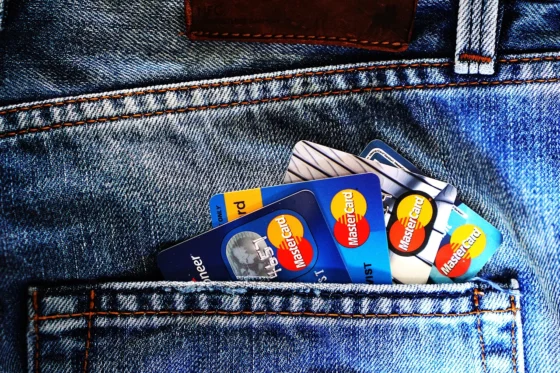
Is a Personal Loan a Good Way to Consolidate Debt?
A personal loan can be an excellent tool, but it’s not right for everyone. Let’s weigh the pros and cons.
Potential Benefits
- Lower interest rate: If you qualify for a rate below what you’re currently paying, you’ll save money over time.
- Fixed payment: You’ll know exactly what you owe each month, making budgeting easier.
- Set payoff date: Unlike credit cards, a personal loan has a defined term (usually 2 to 5 years). That gives you a finish line.
- Simplify finances: One payment, one bill, one lender.
Potential Drawbacks
- Origination fees: Many lenders charge an upfront fee (1% to 8% of the loan), which reduces the amount you receive.
- Prepayment penalties: Some loans penalize you for paying off early, though many don’t.
- Risk of accumulating more debt: If you don’t close the old accounts and stop using them, you could end up with more debt than before.
- May require collateral: If you have poor credit, you might only qualify for a secured loan, which puts your assets at risk.
Overall, a personal loan works best when you have good to excellent credit, a stable income, and a real commitment to staying debt-free.
How to Consolidate Debt with a Personal Loan: Step-by-Step
Ready to get started? Here’s a practical roadmap.
- List all your debts. Write down every balance, interest rate, and minimum payment. Don’t forget medical bills or anything else you want to consolidate.
- Check your credit score. Your score heavily influences the rates you’ll be offered. You can get a free copy of your credit report from the major bureaus each year. Many credit card companies also offer free score tracking.
- Estimate the loan amount. Add up the balances you want to consolidate. To avoid cash flow issues, consider covering the total plus any fees, but don’t borrow extra for spending money.
- Shop around. Compare offers from banks, credit unions, and online lenders. Look at the annual percentage rate (APR), which includes fees, and the monthly payment. Get quotes from at least three lenders.
- Apply and get approved. Once you pick a lender, submit your application. You’ll need personal info, income details, and your list of debts. Some lenders allow you to pay creditors directly, which can eliminate the temptation to spend the funds elsewhere.
- Pay off your old debts. If you receive the money directly, pay off your creditors immediately. Keep records of each payment.
- Close or cut up old credit cards. Don’t close them all if it will hurt your credit utilization, but do remove the temptation. Consider freezing them in a block of ice or simply not carrying them.
- Make your payments on time. Set up autopay if possible. Late payments can hurt your credit and add fees.
If you need more guidance on the application process, check out our guide on how to apply for a personal loan in 5 steps. It breaks down the paperwork and what lenders look for.

What Credit Score Do You Need to Consolidate Debt with a Personal Loan?
There’s no single magic number, but your score matters a lot. The best rates typically go to borrowers with scores above 700. If your score is in the 600s, you can still qualify, but the interest rate might be higher, which could reduce the benefit.
Think about it this way: if your credit card rates are 22% and you qualify for a personal loan at 12%, you’re saving 10 percentage points. But if the loan rate is 20%, you’re barely saving anything. So always compare the APR on the loan with the average rate on your current debts.
If your credit is less than stellar, consider improving it before you apply. Pay down high balances, make all payments on time, and correct any errors on your credit report. Even a 50-point boost can open up better offers.
How Much Can You Borrow with a Personal Loan for Debt Consolidation?
Loan amounts vary by lender, but most personal loans range from $1,000 to $50,000. Some lenders offer up to $100,000 for well-qualified borrowers. The amount you qualify for depends on your income, credit history, and existing debts.
Here’s a key point: don’t borrow more than you need to pay off your debts. If your total balance is $8,000, a $15,000 loan might seem tempting, but it only increases your debt. Also, if you borrow more than the payoff amount, you’ll have to pay interest on money you didn’t use.
If your debts exceed what unsecured lenders will offer, you might need to look at a secured loan or a home equity loan, but those carry different risks.
What Is the Difference Between a Personal Loan and a Debt Management Plan?
It’s easy to confuse these options. A personal loan is a type of credit that you pay back with interest. A debt management plan is a program offered by credit counseling agencies where the agency negotiates with your creditors to lower interest rates and fees, and you make one monthly payment to the agency, which then distributes it to your creditors.
With a personal loan, you’re taking on a new debt. With a debt management plan, you’re not borrowing new money; you’re restructuring existing debts through a third party. Debt management plans can be useful if you’re struggling to make minimum payments, but they often require you to close credit card accounts and may take 3 to 5 years to complete.
Which is better? It depends on your situation. If your credit is good and you can qualify for a low-rate personal loan, that’s often simpler and gives you more control. If you’re overwhelmed and need professional help with negotiating, a debt management plan might be the way to go.
Avoid These Common Mistakes When Consolidating Debt
Even with good intentions, people slip up. Here are the pitfalls to watch for.
- Not shopping around. Accepting the first offer you get can cost you hundreds of dollars in interest. Compare multiple lenders.
- Ignoring fees. The APR includes fees, but you should still check if there’s a prepayment penalty or a high origination fee.
- Using the loan for other expenses. Some people consolidate debt and then rack up new credit card charges. That defeats the purpose.
- Choosing a longer term to lower the payment. A longer term means more interest paid over time. Aim for the shortest term you can afford.
- Forgetting to update your budget. If you free up cash flow, dedicate it to building an emergency fund or paying off the loan faster.
If you want more tips on applying successfully, read our article on how to apply for a personal loan in 5 straightforward steps. It covers the exact process and what to prepare.
Final Thoughts: Is Debt Consolidation Right for You?
Debt consolidation with a personal loan is a powerful financial move if done correctly. It can lower your interest costs, simplify your payments, and give you a clear payoff date. But it’s not a cure-all. You need to be honest with yourself about your spending habits and your commitment to repayment.
Start by checking your credit score and listing all your debts. Then, get quotes from at least three lenders and compare the total costs. If you find a loan with a lower APR than your current average, and you’re confident you won’t run up new balances, it might be the right step.
Remember, the goal isn’t just to consolidate; it’s to become debt-free. Use the momentum of a single payment to build a stronger financial future.
Frequently asked questions
Will consolidating debt with a personal loan hurt my credit score?
Applying for a personal loan causes a hard inquiry, which can lower your score by a few points temporarily. However, if you make on-time payments and reduce your credit card balances, your score may improve over time. Keep old accounts open after paying them off to maintain credit history and utilization.
Can I get a personal loan for debt consolidation with bad credit?
Yes, you may qualify for a personal loan with bad credit, but interest rates will be higher, and you may face fees. Some lenders specialize in bad credit loans, but compare the APR against your current debt rates. If the new rate is not significantly lower, consolidation may not be worth it.
How long does it take to pay off debt with a personal loan?
Personal loan terms typically range from 2 to 5 years. The exact payoff time depends on the loan term you choose and whether you make extra payments. A shorter term means higher monthly payments but less interest paid overall.
What is the difference between a personal loan and a debt consolidation loan?
There is no technical difference. A debt consolidation loan is simply a personal loan used to pay off multiple debts. Lenders may label their loans as debt consolidation loans, but they function the same as any personal loan.
Can I use a personal loan to consolidate only credit card debt?
Yes, you can use a personal loan to pay off any type of debt, including credit cards, medical bills, or other loans. Many borrowers consolidate only high-interest credit card debt to simplify payments and lower their effective interest rate.